Choosing the right egg tray making machine can directly impact your production efficiency, cost control, and long-term profitability. With increasing global demand for eco-friendly packaging, especially molded pulp products, investing in the right equipment is more important than ever.This guide will help you understand how to select the best egg tray machine for your business
1. Understand Your Production Capacity Needs
The first step is to determine how many egg trays you need to produce per day.
- Small-scale production: 1,000–3,000 trays/hour
- Medium-scale production: 3,000–6,000 trays/hour
- Large-scale production: 6,000–10,000+ trays/hour
If you are targeting markets in Africa or Southeast Asia, a medium-capacity machine is often the most cost-effective starting point.
👉 Tip: Avoid buying oversized machines if your orders are unstable—it increases operational costs and ROI pressure.
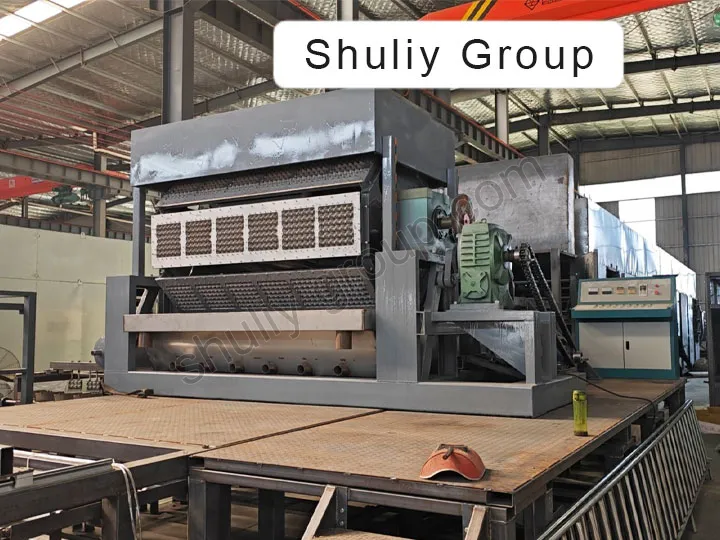
2. Choose the Right Egg Tray Making Machine
There are three main types of egg tray machines:
• Manual Egg Tray Making Machine
- Low investment
- Labor-intensive
- Suitable for startups with limited budget
• Semi-Automatic Egg Tray Making Machine
- Moderate cost
- Requires some manual handling (drying, stacking)
- Ideal for growing businesses
• Fully Automatic Egg Tray Machine
- High efficiency and output
- Automated drying and stacking
- Best for large-scale industrial production
👉 If your goal is export or large contracts, a fully automatic egg tray production line is the best long-term choice.
3. Pay Attention to Raw Materials Compatibility
A good Egg Tray Making Machine should handle a variety of waste paper materials:
- Waste cartons
- Old newspapers
- Office paper waste
- Corrugated paper
Machines with better pulping systems improve fiber bonding and tray strength, which is critical for transportation durability.
4. Evaluate Drying System Options
Drying is one of the most critical parts of the production process.
Common Drying Methods:
- Natural drying (sunlight) → Low cost, weather dependent
- Brick kiln drying → Stable, suitable for medium production
- Metal drying line → High efficiency, ideal for large factories
👉 For countries with unstable weather, a metal drying system significantly improves production consistency.
5. Check Energy Consumption and Cost
Operating cost determines your long-term profit.Key factors include:
- Electricity consumption
- Fuel type (coal, gas, diesel)
- Labor cost
Energy-efficient machines reduce overall cost per tray and improve competitiveness in international markets.
6. Consider Automation Level and Labor Requirements
Higher automation means:
- Less labor
- Lower error rate
- Higher production stability
However, it also requires higher initial investment. Balance your budget with your expected output.
7. Machine Quality and Manufacturer Reliability
Always evaluate the supplier:
- Years of manufacturing experience
- Export history
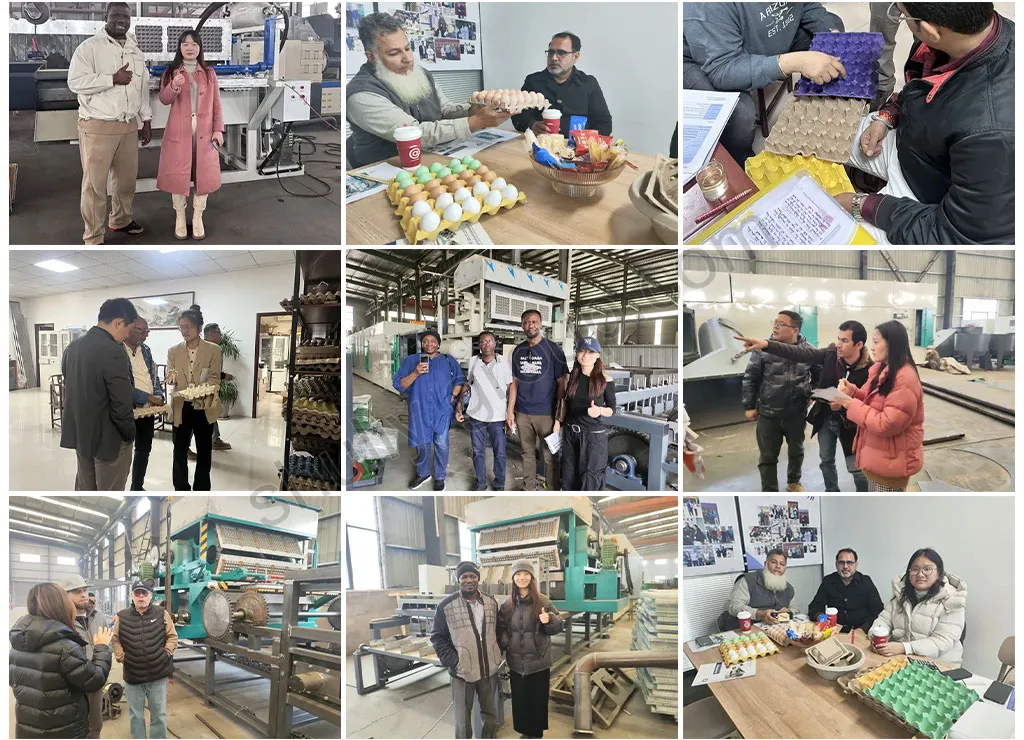
- Customer cases (especially in your target region)
- After-sales service and spare parts availability
👉 A reliable manufacturer ensures long-term machine performance and reduces downtime risk.
8. Mold Flexibility and Product Variety
A high-quality egg tray machine should support different molds, allowing you to produce:
- Egg trays (12, 24, 30 eggs)
- Egg cartons
- Fruit trays
- Cup holders
- Industrial packaging
This flexibility helps you expand your business and increase profit margins.
If you plan to start an egg tray manufacturing, but don’t know much about it, please leave a message for consultation and the sales manager will give professional purchasing advice.