
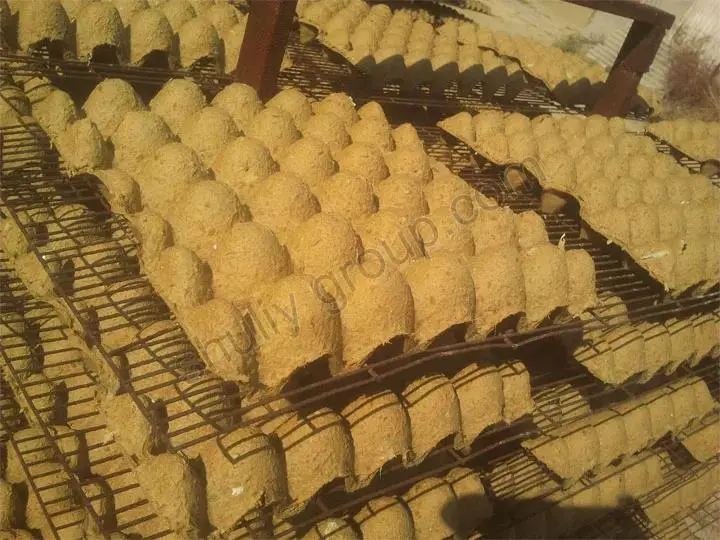

Egg trays are an essential packaging solution used worldwide to protect eggs during storage and transportation. With the growing demand for sustainable packaging, understanding what materials egg trays are made of is more important than ever. In this article, we explore the most common materials used in egg tray production and their advantages.
1. Recycled Paper Pulp (Most Common Material)
The majority of egg trays are made from recycled paper pulp. This eco-friendly material is produced by processing waste paper such as:
- Old newspapers
- Cardboard boxes (OCC)
- Office paper waste
- Book paper
These materials are mixed with water and processed into pulp, which is then molded into egg trays using specialized machinery.
Advantages of Paper Pulp Egg Trays
- Environmentally friendly: Made from recycled materials and fully biodegradable
- Low cost: Raw materials are widely available and inexpensive
- Shock absorption: Soft structure protects eggs from breakage
- Recyclable: Can be reused or recycled after use
Because of these benefits, paper pulp egg trays dominate the global market.
2. Plastic Egg Trays
Plastic egg trays are another common option, especially in supermarkets and retail packaging. They are typically made from materials such as PET (polyethylene terephthalate) or PVC.
Advantages of Plastic Egg Trays
- Transparent design allows easy product visibility
- Waterproof and moisture-resistant
- Durable and reusable
However, plastic trays are less environmentally friendly compared to paper pulp trays, which has led to declining demand in many regions.
3. Foam Egg Trays (Polystyrene)
Foam egg trays are made from polystyrene (EPS). They are lightweight and provide good cushioning for eggs.
Advantages of Foam Egg Trays
- Excellent shock absorption
- Lightweight and easy to transport
- Low production cost
Despite these advantages, foam trays are being phased out in many countries due to environmental concerns and regulations against single-use plastics.
4. Molded Fiber Alternatives
In addition to standard paper pulp, some manufacturers use advanced molded fiber materials made from agricultural waste such as:
- Sugarcane bagasse
- Wheat straw
- Bamboo fiber
These materials offer similar performance to traditional paper pulp while further enhancing sustainability.
Why Paper Pulp Egg Trays Are the Best Choice
Among all materials, recycled paper pulp remains the most popular choice due to its balance of cost, performance, and environmental benefits. Governments and consumers are increasingly favoring biodegradable packaging, making pulp egg trays the future of the industry.
How Egg Trays Are Manufactured
Regardless of the raw material, the production process of paper egg trays typically includes:
- Pulping: Waste paper is mixed with water to form pulp
- Molding: The pulp is shaped into egg trays using molds
- Drying: Trays are dried using natural or mechanical methods
- Packaging: Finished trays are stacked and ready for shipment
Modern fully automatic egg tray machines streamline this process, improving efficiency and product quality.
Conclusion
Egg trays are mainly made from recycled paper pulp, plastic, foam, or alternative plant fibers. Among these, paper pulp stands out as the most sustainable and cost-effective material.
As the world shifts toward eco-friendly packaging solutions, investing in paper pulp egg tray production is not only environmentally responsible but also a profitable business opportunity.
If you are considering entering the egg tray manufacturing industry, understanding these materials will help you make the right decision and meet market demands effectively.