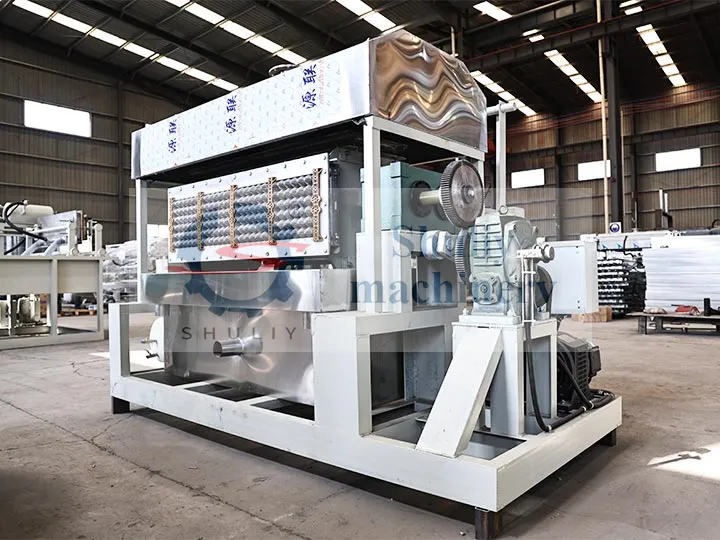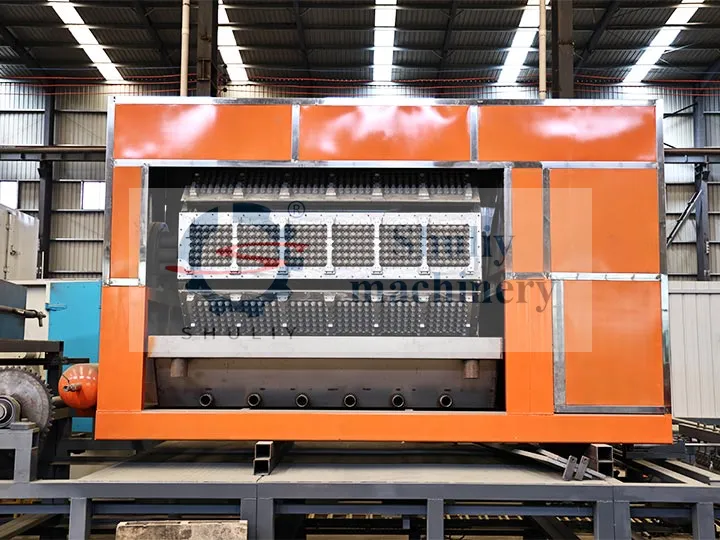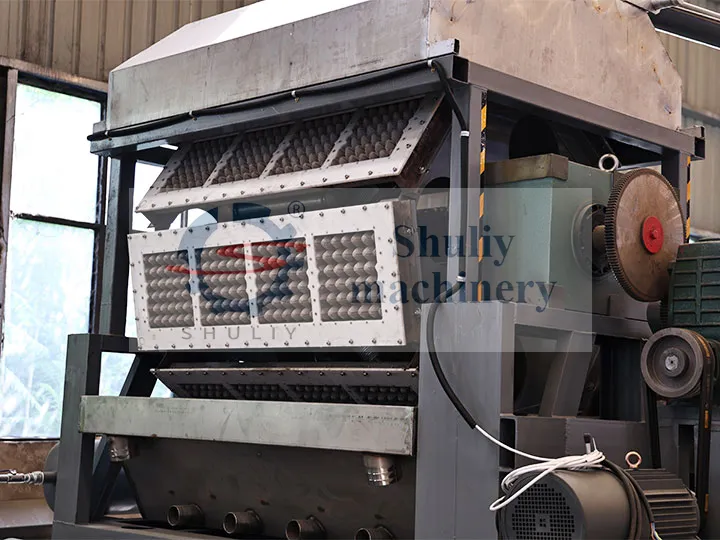
Egg Tray Pulp Moulding Machine occupy a pivotal position within the manufacturing sector, serving as critical equipment for the production of egg trays, paper cartons, and other related products. Proper maintenance is essential to ensuring the stable operation, high production efficiency, and longevity of your egg tray molding machine. Regular inspections and timely upkeep not only effectively minimize downtime and reduce repair costs but also significantly enhance the quality of the finished egg trays. In this guide, we will detail how to maintain your egg tray machine through daily, weekly, monthly, quarterly, and annual routine maintenance procedures, and provide solutions for common troubleshooting issues.
Daily Maintenance
Routine maintenance is the foundation of the Egg Tray Pulp Moulding Machine’s efficient operation. Operators should inspect the equipment before and after each production shift.
Performing routine maintenance on a Egg Tray Pulp Moulding Machine is crucial for ensuring it remains in optimal operating condition. These maintenance measures include: thoroughly cleaning the machine; tightening loose bolts and screws; checking lubrication levels; inspecting and replacing worn components; examining pneumatic, vacuum, and electrical systems; and monitoring production quality.
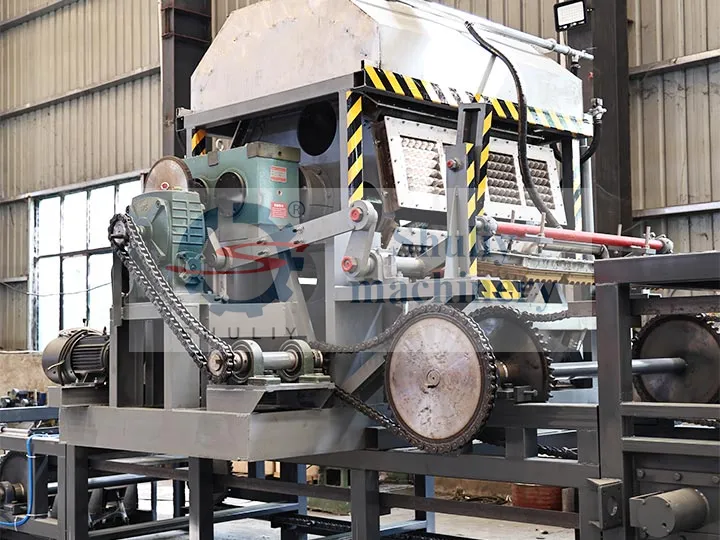
Cleaning the machine after every use is essential, as it effectively prevents the accumulation of dirt and debris—including the removal of residual pulp from molds, piping, and pulp storage tanks. Clean both the forming molds and the transfer molds to prevent clogging. Rinse and clear away any dust and paper scraps that have accumulated around the machine. Additionally, inspect bearings, chains, gears, and various moving parts; apply lubricating oil or grease to the appropriate areas as needed. Ensure that the lubrication system is functioning correctly and operating smoothly.
Regularly inspecting and replacing worn components—such as belts, chains, and bearings—is critical for avoiding costly repairs and minimizing downtime. Concurrently, periodically inspect the air compressor to ensure a stable air pressure output. Check the vacuum pump, paying close attention to any abnormal noises or signs of overheating. Verify that all hoses and piping are free of leaks.
Finally, inspect and confirm that all switches, cables, and control panels are functioning properly. Ensure that the emergency stop button is fully functional and readily accessible. Check all electrical connections for any signs of looseness. Naturally, one must not overlook the importance of observing the produced egg trays to ensure they are uniformly and neatly formed. Check the moisture content and thickness of the egg trays to verify compliance with established standards; adjust the pulp consistency if necessary.
Weekly Maintenance
Weekly maintenance helps prevent wear and improve production efficiency.
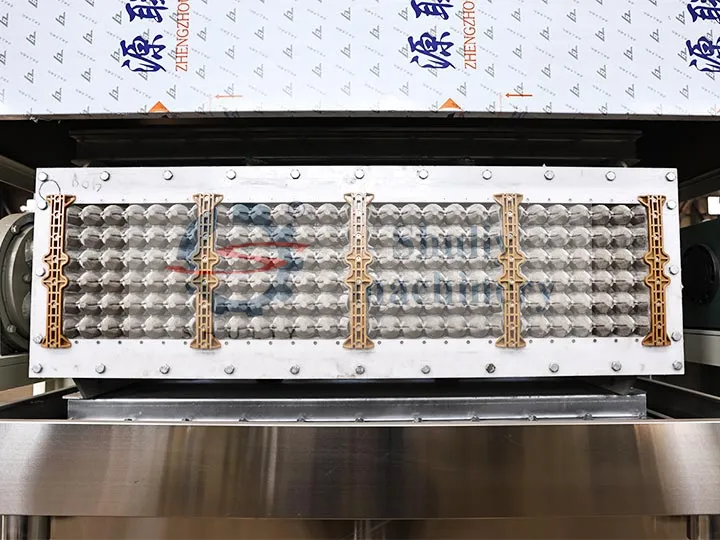
- Inspect Moulds Carefully
Check for mould deformation, cracks, or blockage.Clean mould holes to maintain strong suction.Replace damaged mould parts promptly. - Tighten Mechanical Parts
Inspect bolts, nuts, belts, and chains.Tighten loose components to prevent vibration. - Check Conveyor and Drying System
Inspect conveyor belts for wear or misalignment.Clean the drying line and remove accumulated dust.Verify heating systems are operating normally. - Drain Water and Sediment
Remove sludge and impurities from pulp tanks.Clean filters and water circulation systems.
Monthly Maintenance
Monthly inspections focus on deeper system maintenance and performance optimization.
- Service Vacuum and Air Compressors
Replace worn seals if necessary.Check oil levels and filter conditions.Clean cooling fans and ventilation areas. - Inspect Hydraulic or Pneumatic Systems
Check cylinders, valves, and pipelines for leakage.Verify pressure stability during operation. - Examine Electrical Systems
Test sensors, relays, and PLC controls.Inspect motors for overheating or unusual vibration.Clean electrical cabinets to prevent dust accumulation. - Calibrate Machine Settings
Adjust mould alignment and forming pressure.Optimize pulp consistency and drying temperature.
Quarterly Maintenance
Quarterly maintenance is important for extending Egg Tray Pulp Moulding Machine lifespan and preventing major failures.
- Replace Wearing Parts
Replace damaged bearings, belts, seals, and filters.Inspect chain tension and gear wear. - Deep Clean the Entire System
Clean pulp pipes, vacuum pipelines, and storage tanks thoroughly.Remove scale and hardened pulp deposits. - Inspect Structural Stability
Check the machine frame for corrosion or cracks.Ensure all supports and foundations remain stable. - Evaluate Energy Consumption
Monitor electricity and water usage.Optimize operating parameters to reduce energy waste.
Yearly Maintenance
Annual maintenance is a comprehensive overhaul of the Egg Tray Pulp Moulding Machine.
- Conduct Full Equipment Inspection
Disassemble key components for detailed inspection.Replace severely worn mechanical parts. - Upgrade Electrical Systems
Inspect PLC software and electrical circuits.Replace aging cables and connectors. - Overhaul Vacuum and Drying Systems
Service vacuum pumps and air compressors completely.Inspect burners, boilers, or heating pipes in the drying system. - Repaint and Protect the Machine
Remove rust and repaint exposed metal surfaces.Apply anti-corrosion protection where necessary. - Operator Training
Train workers on updated maintenance procedures.Improve safety awareness and troubleshooting skills.
Common Troubleshooting of Egg Tray Pulp Moulding Machines
Proper troubleshooting can minimize production downtime and maintain product quality.
- Egg Trays Are Too Wet
Possible Causes
Vacuum pressure is insufficient.Drying temperature is too low.Pulp concentration is incorrect.
Solutions
Check vacuum pump performance.Increase drying temperature appropriately.Adjust pulp-water ratio. - Egg Trays Have Poor Shape
Possible Causes
Mould holes are blocked.Mould alignment is inaccurate.Air pressure is unstable.Air pressure is unstable.
Solutions
Clean mould holes thoroughly.Re-align mould positions.Inspect the air compressor system. - Machine Has Abnormal Noise
Possible Causes
Bearings lack lubrication.Chains or gears are worn.Loose mechanical parts.
Solutions
Add lubricating grease.Replace damaged transmission parts.Tighten loose bolts and screws. - Low Production Efficiency
Possible Causes
Pulp supply is insufficient.Vacuum system efficiency decreases.Conveyor speed is too slow.
Solutions
Check pulp supply pipelines.Clean and service vacuum equipment.Adjust conveyor speed settings. - Vacuum Pump Overheating
Possible Causes
Insufficient cooling water.Blocked filters.Continuous overload operation.
Solutions
Ensure adequate cooling water circulation.Clean or replace filters.Allow the pump to cool periodically.